
CNN Data Exposes Broad Backing for Voter ID Laws Among Black, Latino and White Americans
Unity on this issue stands out.

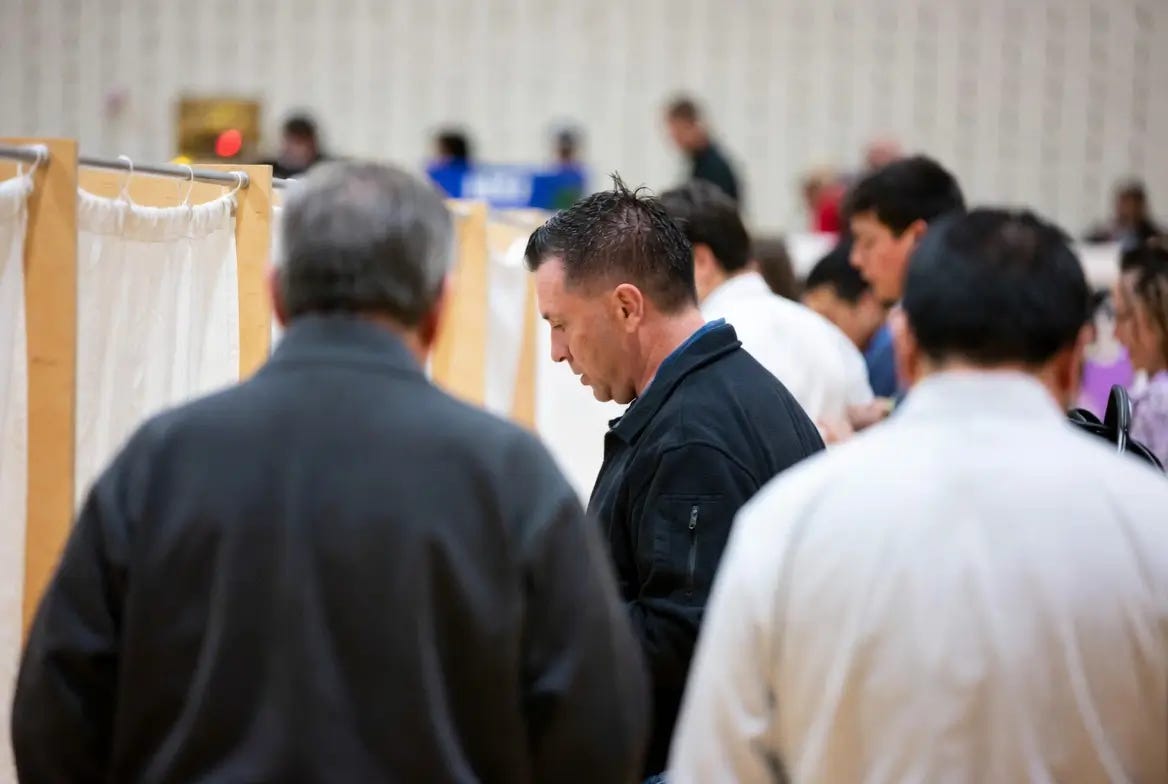
76% Black Americans support voter ID.
82% Latinos, 85% Whites favor it.
Support spans racial demographics widely.
USA, Feb 3 (TNGB) – A CNN data analyst presented findings from a recent poll showing strong support for requiring photo identification to vote across major racial groups in the United States. Harry Enten highlighted that 76 percent of Black Americans favor such measures. He also noted 82 percent approval among Latinos and 85 percent among Whites. These numbers emerged during a discussion on election integrity debates.
This poll data counters some longstanding arguments about voter ID laws potentially disenfranchising minority voters. Enten emphasized that the requirement is not controversial nationwide. Support remains high despite claims from critics that access to IDs poses barriers for certain communities. The findings align with patterns seen in multiple surveys over recent years.
Support is consistent.
News junkies, journalists, and creators frustrated by low reach: this reporter hit 12 million monthly views on Threads from zero using the Become a Reporter system with no ads or big audience needed. Get your free case study now.
Understanding the Poll
The CNN segment drew from polling data that reportedly surveyed a diverse sample of Americans on voting requirements. Enten pointed out that overall approval for photo ID stands at around 81 percent nationally. Broken down by race, the figures show minimal variation in enthusiasm for the policy. This suggests a unified public stance on enhancing election security through identification.
Critics argue that while support appears high, actual implementation can create hurdles. Studies from organizations like the Brennan Center indicate that strict ID laws may reduce turnout among low-income groups. Yet the poll numbers challenge the idea that minority voters oppose these rules en masse. Enten reportedly stated that the data defies partisan narratives on race and voting access.
Historical Trends in Voter ID Support
Gallup polls over the years have similarly recorded high overall support hovering between 70 and 80 percent. These trends indicate voter ID enjoys bipartisan appeal despite heated political rhetoric.
A 2025 poll from The Center Square reported 71 percent national support, with 78 percent among White people, 60 percent among Hispanic people, and 50 percent among Black people. Variations in these numbers may stem from question wording or sample differences. However, the CNN-cited figures are among the highest for minority groups in recent data.
Disparities persist in some data.
PolitiFact analyses have noted that while public support is broad, evidence of widespread voter fraud remains limited. This raises questions about the necessity of stricter laws. Proponents counter that ID requirements prevent rare but impactful irregularities. The debate often centers on balancing security with accessibility.
Arguments Against Strict ID Laws
Opponents, including civil rights groups, highlight potential discriminatory effects. The Brennan Center’s research shows that voters of color are more likely to lack qualifying IDs. One study found the racial turnout gap widens in states with strict laws. This could affect millions, particularly in urban areas where documentation access varies.
Supporters maintain that free ID programs mitigate these issues. States like Georgia have implemented such systems amid controversy. Yet reports indicate administrative barriers still exist for some. The CNN poll suggests these concerns do not translate to outright opposition from affected demographics.
Political Ramifications
